What We Do

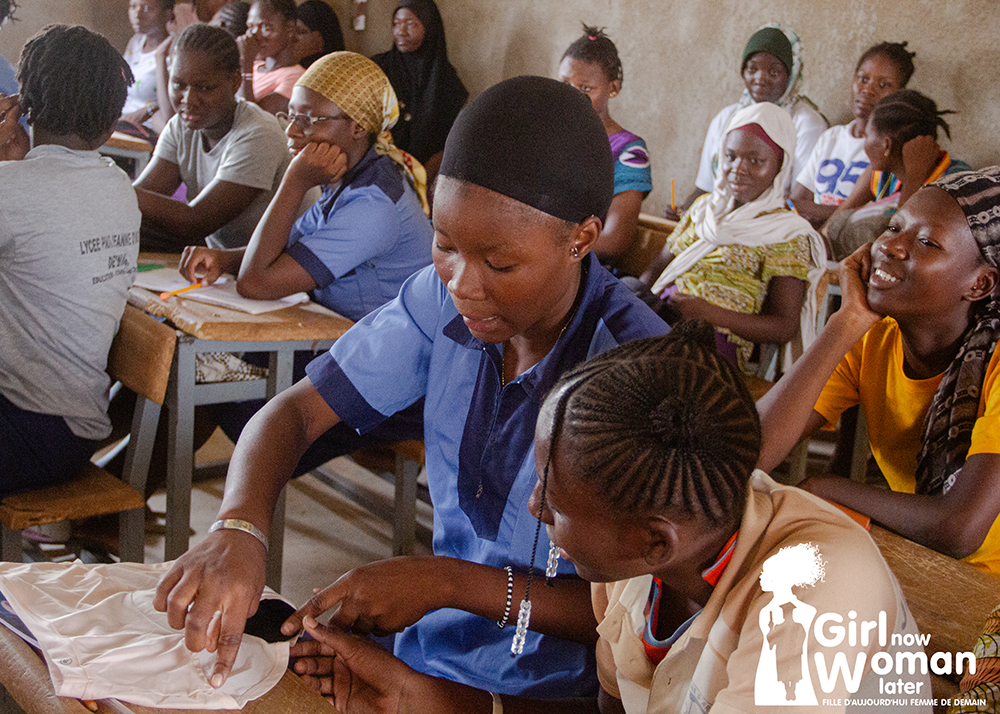
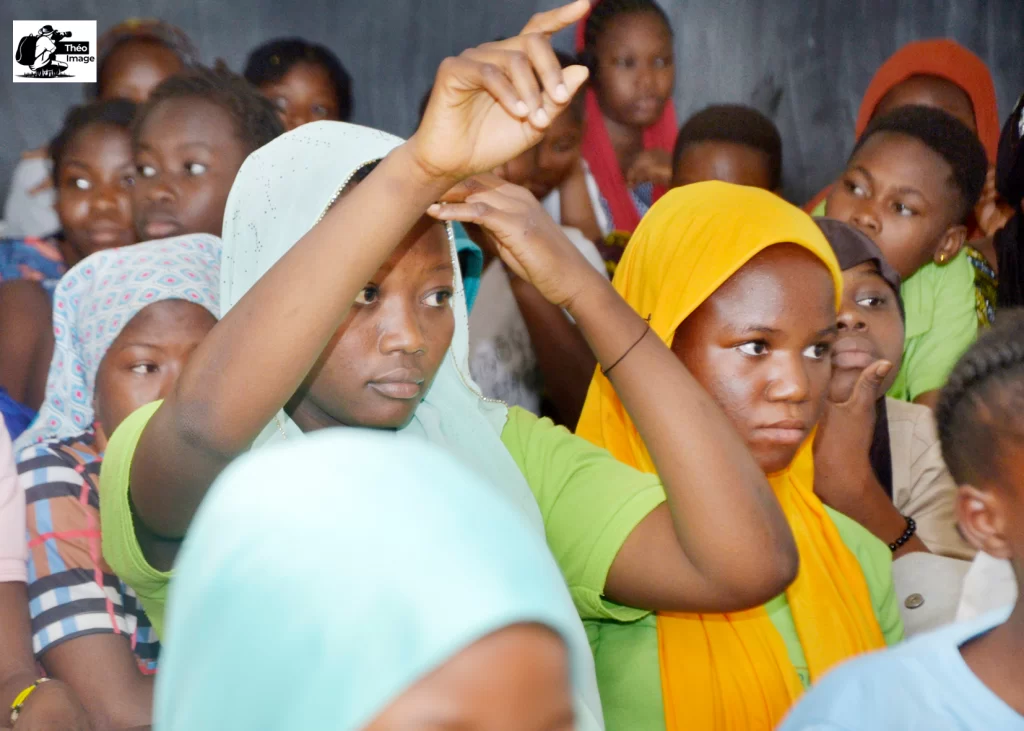
Provide Menstrual Health Education Workshops

We work to break the cycle by empowering girls in Burkina Faso through menstrual health education.
Every month, thousands of girls miss school because of their periods.
We’re changing that one girl at a time.

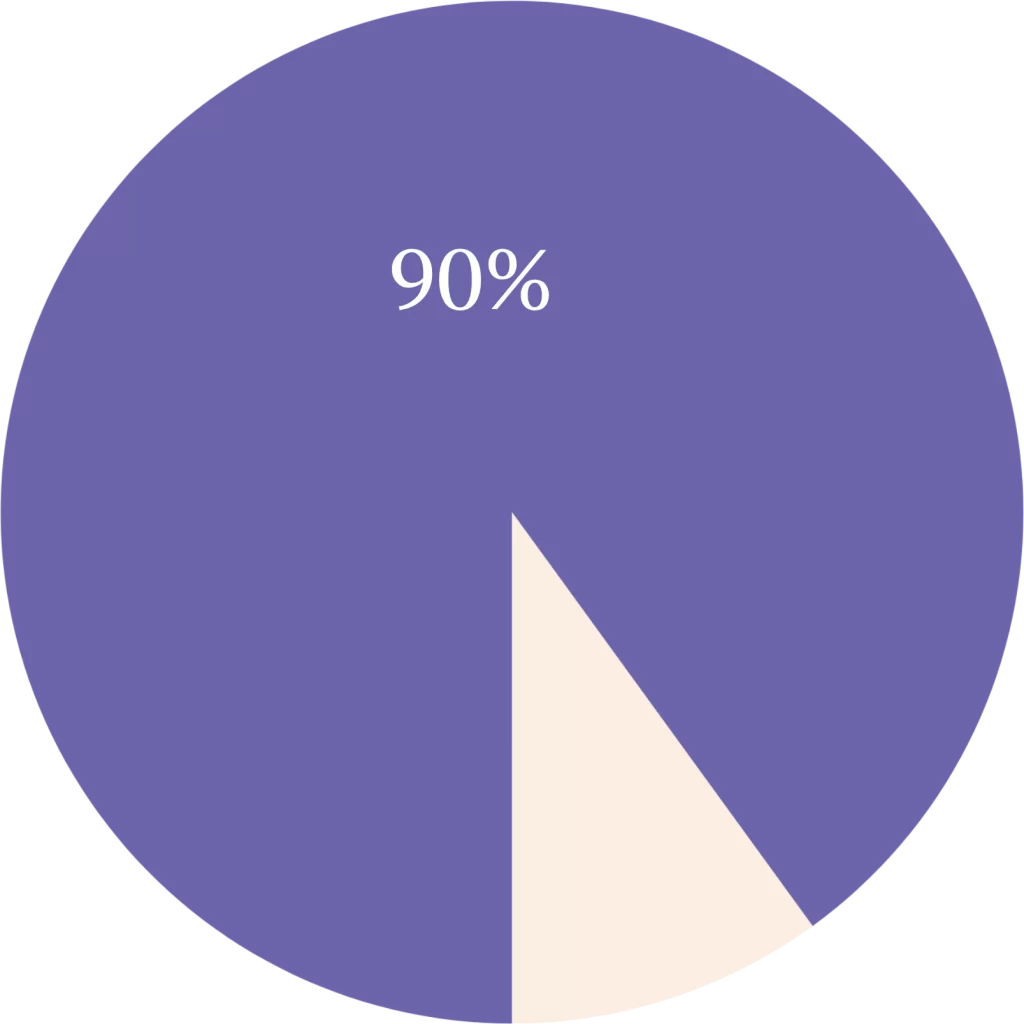
Did you know that 90% of girls do not know what happened to them when they first menstruated?

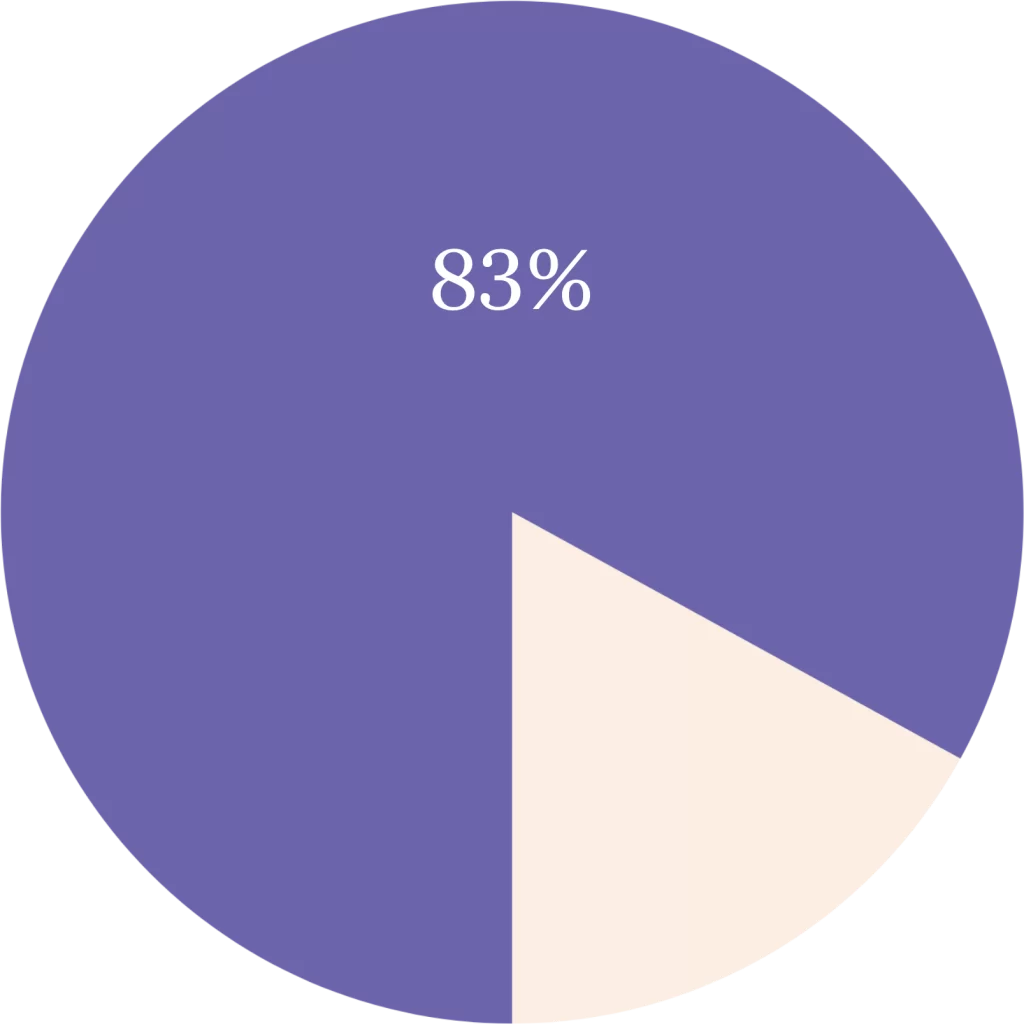
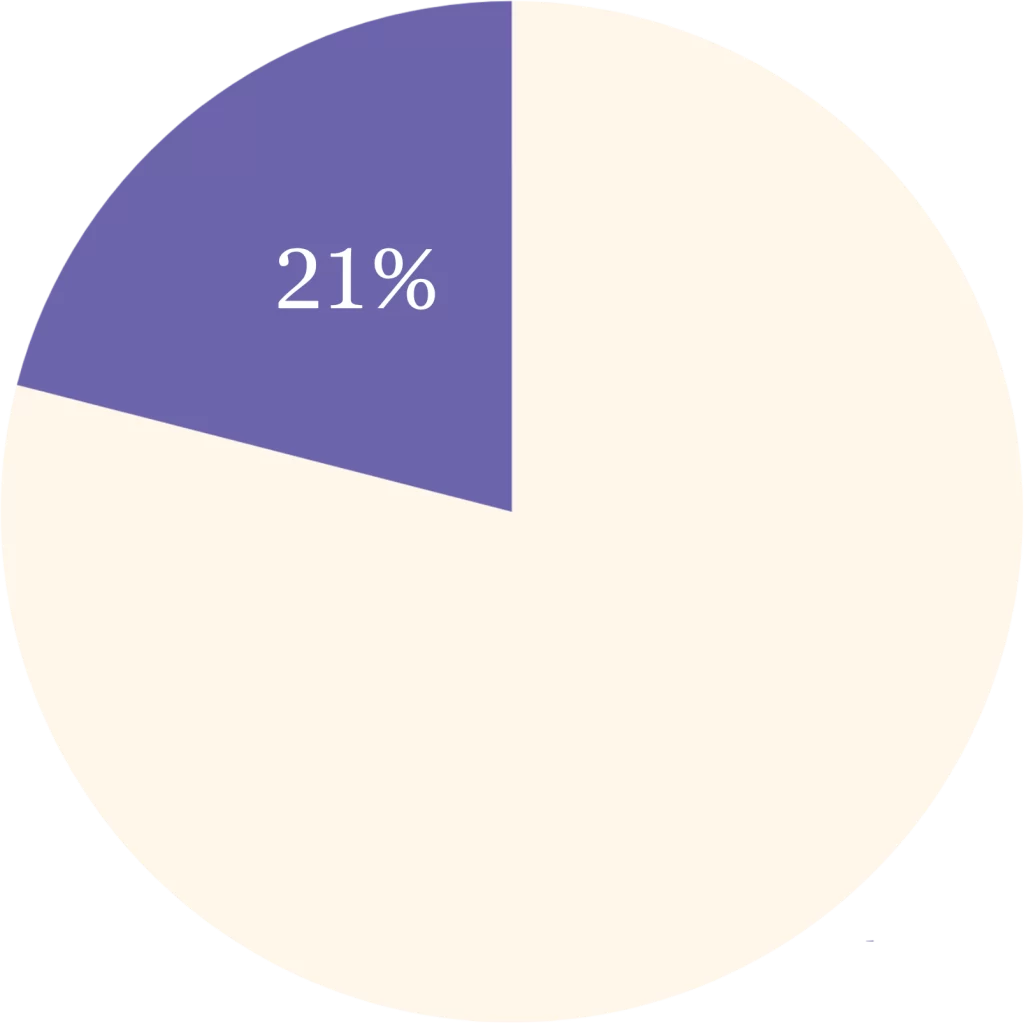
In Burkina Faso an estimated 21% of girls are absent from school when they have their period, and 83% participate less in class because of shame. 

We’re here to help girls navigate school and to learn to manage their periods. This is how:

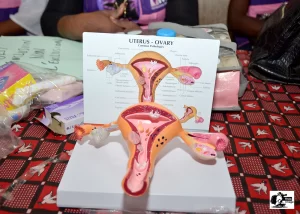
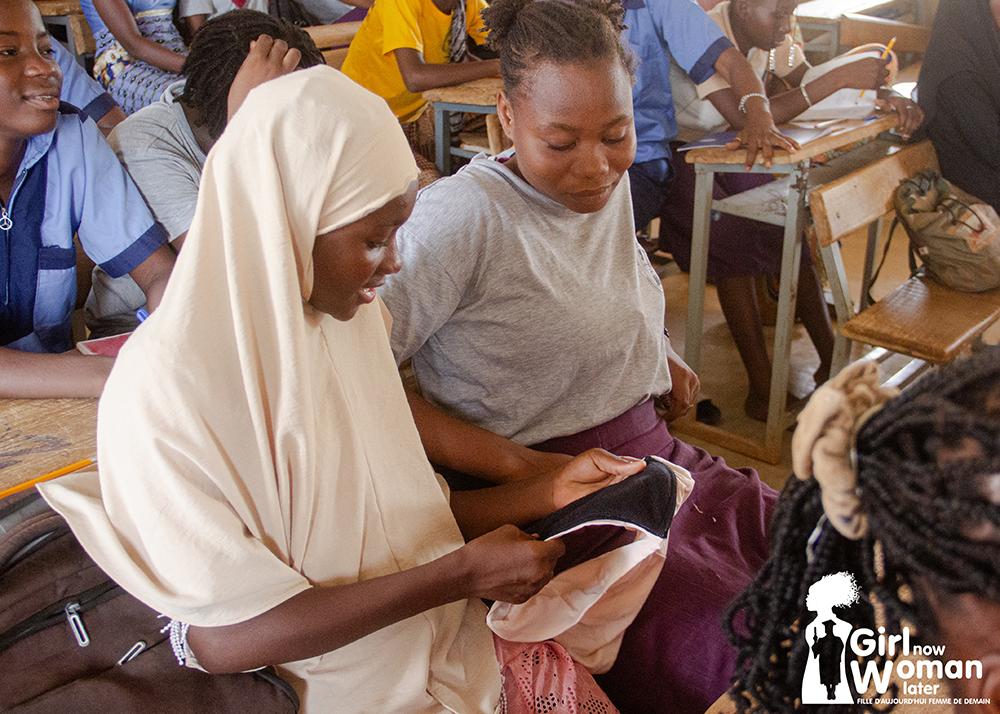
Menstrual Health Education: We provide age-appropriate, culturally sensitive information to help girls understand their bodies and menstrual cycles.

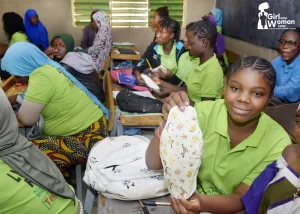
Free Menstrual Kits: We provide access to essential hygiene products to reduce school absenteeism and promote dignity.

Community Engagement: We collaborate with local schools, families, and health workers to break taboos and foster supportive environments.

Youth Leadership & Advocacy:  We provide opportunities for girls and volunteers to become ambassadors for menstrual health and gender equity.

Key Statistics on Menstrual Health & Education

90% of girls lack basic menstrual knowledge
83% participate less at school due to shame.
21% girls are absent from school due to their periods

Child Marriage in Burkina Faso

Students
  • Burkina Faso ranks 7th globally for child marriage prevalence.
  • 51% of women aged 20–24 were married before the age of 18.
  • 9% of women aged 20–24 were married before the age of 15. Child marriage atlas – Girls Not Brides

*These figures come from UNICEF global databases (2025) and are consistent with findings from Amnesty International, which also reported that 52% of women aged 20–24 were married before 18 and 10% before 15 Forced and early marriage in Burkina Faso: the facts – Amnesty International

Girls’ Education in Burkina Faso

Student

menstrual drop These statistics underscore the urgent need for initiatives like Girl Now Woman Later (GNWL) to address child marriage, period poverty, and barriers to girls’ education in Burkina Faso.

Our Five Pillars Approach

Fight Child Marriage

by promoting school retention for girls.
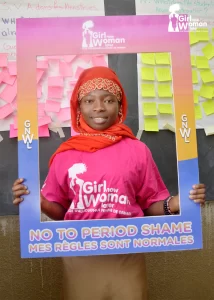
Tackle Period Shame

Tackle Period Shame

by addressing harmful menstruation taboos through education.
Fight Child Marriage

End Period Poverty

by providing quality menstrual products and restoring dignity.
End Period Poverty

Make Menstrual Products More Accessible.

by advocating for the removal of taxes on menstrual products.
Make Menstrual Products More Accessible

Advance Gender Equality

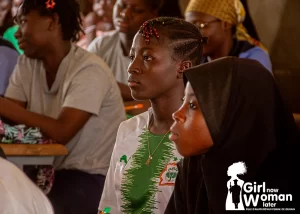
by ensuring girls have equal opportunities to pursue education and thrive.
Advance Gender Equality

Where Do We Work?

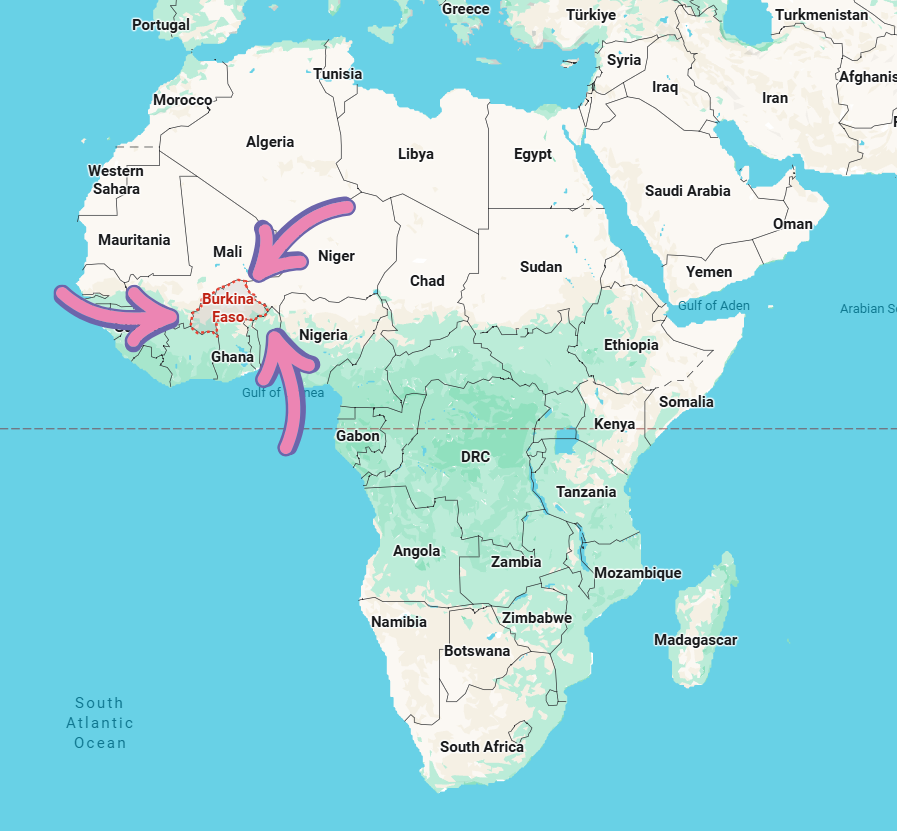
Girl Now Woman Later is a 501(c)(3) organization promoting menstrual health education in Burkina Faso, West Africa. We empower and advocate for girls’ right to equal education.

According to recent UNICEF data, while child marriage rates have declined, 38.2% of women in Burkina Faso are still married before age 18, with the country maintaining the 7th highest child marriage rate globally.

What’s more, over 40% of girls of lower secondary school age are not in school, and the lower secondary completion rate was only 39% in 2019, according to UNESCO data. Read More

Africa - Burkina Faso Map

Time for the Period Talk!

Fast Fact – did you know that 90% of girls in Burkina Faso, West Africa do not know what happened to them when they first menstruated?

Period shaming and a lack of menstrual health education correlate strongly with gender inequality. For young girls in Burkina Faso, menstrual resources are hard to come by, and some don’t even know what’s happening to them when their first menstrual cycle arrives. Older girls are absent from school when they’re menstruating due to limited feminine product availability and the social stigma associated with feminine health. Declining literacy rates among middle and high school girls are undoubtedly linked to the mismanagement of feminine healthcare.

Our organization opposes these troubling issues and works to build a path to better outcomes for girls by performing several key actions in Burkina Faso’s communities. To address gender disparity in education, we offer a tuition assistance program for qualified students and organization members. We mentor young girls on how to pursue their educational dreams. We also provide access to feminine hygiene products and period education workshops.

Why Girls?

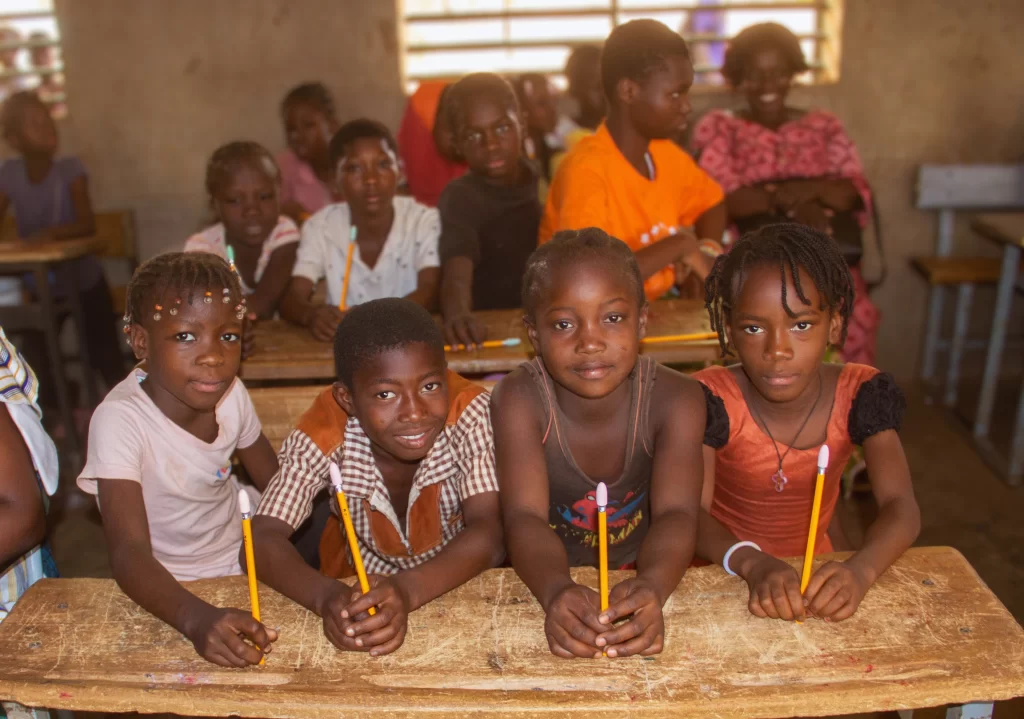
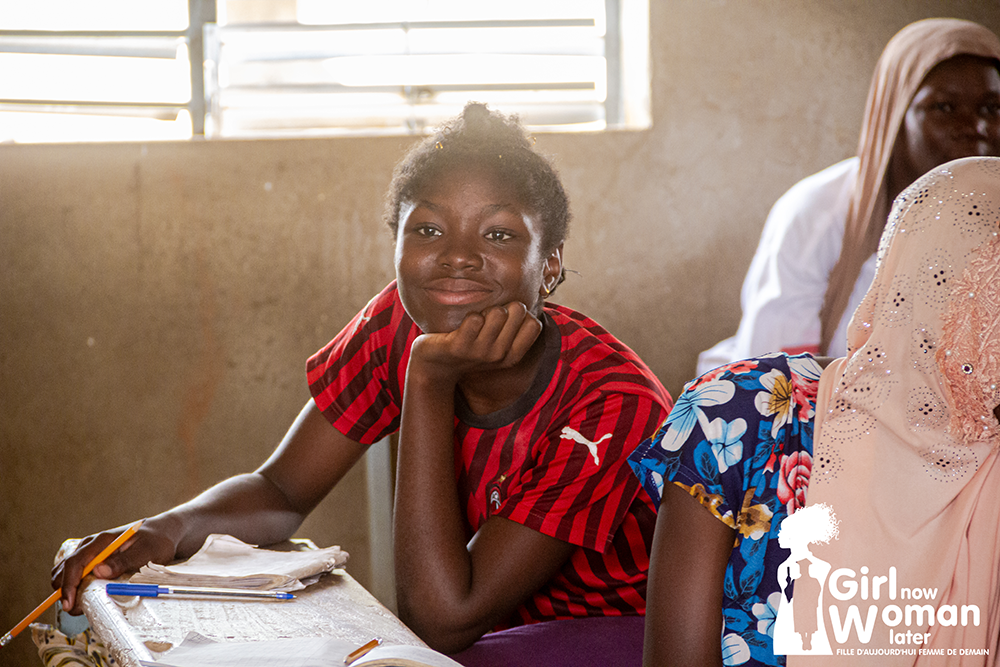
School Girls Ready to Learn
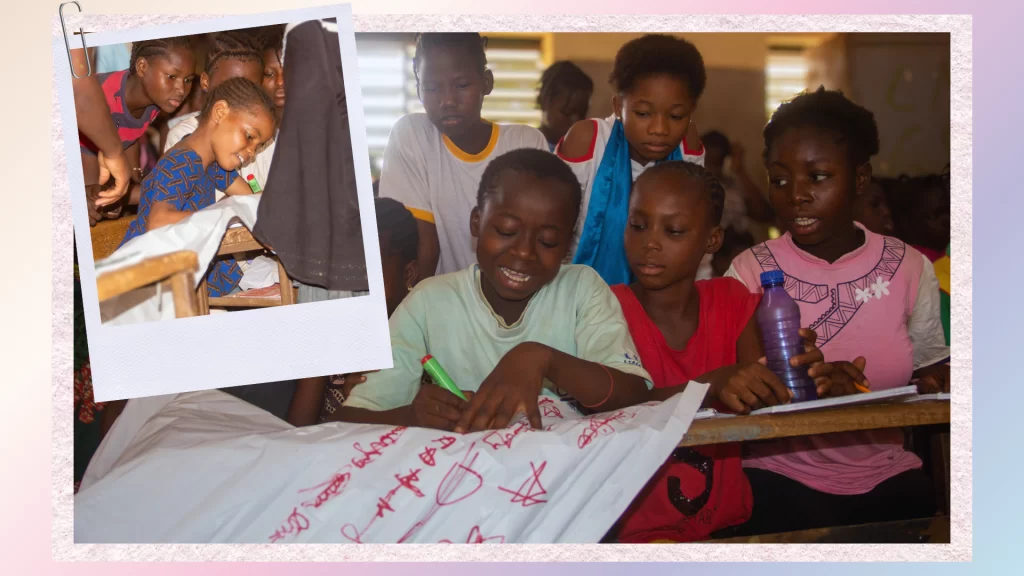
School girls working on a project

Our Inspiring Quote ​

“Everyone wins when children and especially girls have access to education. An educated girl is likely to increase her personal earning potential and prepare herself for a productive and fulfilling life, as well as reduce poverty in the whole community.”

~Wangari Maathai

Our History

Bienvenue's Story:  The Day Silence Spoke Louder Than Words

GNWL Founder Bienvenue K
GNWL Founder
Bienvenue Konsimbo

At age 11, Bienvenue experienced the terror every unprepared girl knows: the cramping, the blood, the confusion of a body changing without warning. Running to her mother for answers, she was hoping for comfort and explanation.

Instead, she received three clinical sentences that would define her understanding of womanhood: “One, you are now a woman. Two, you will get what is called a period once a month, which requires you to wear a pad during that time. And three, you should probably stay away from boys.” That was it. No words of comfort or further explanation of what was happening to her body. Just three uncomfortable sentences delivered by a mother whose worried expression said more than her words ever could. Bienvenue’s mind flooded with questions: Why was this happening? Was something wrong with her? Why did her mother look anxious instead of proud? But her mother’s tone made it clear this conversation was over before it began.

In that moment of silence, Bienvenue learned what millions of girls across Burkina Faso learn: that menstruation is something shameful to hide, not a natural process to understand and embrace.

Years later, Bienvenue realized her mother’s reaction wasn’t indifference; it was the result of growing up in a culture where periods were forbidden topics. Her mother was passing down the only knowledge she had: limited, fearful, and wrapped in generations of silence.

That day of confusion and unanswered questions became the foundation of Girl Now Woman Later. Because no girl should navigate one of life’s most significant transitions feeling ashamed or alone. Every girl deserves to understand her body and step into womanhood with knowledge and confidence..

Today, when Bienvenue sees the same confusion in young girls’ eyes, she offers what she never received: answers instead of silence, celebration instead of shame, knowledge instead of fear.

This is why our work matters. This is why every girl deserves more than three worried sentences.
Mission Statement 

To empower girls in Burkina Faso by addressing period poverty through menstrual health education, access to free feminine products, and community-driven support. GNWL aims to ensure that every girl can transition from girlhood to womanhood with dignity, confidence, and the resources she needs to thrive.

Vision Statement

Our vision is a world in which a girl’s education is not abandoned or taken away because of her gender; a world where she can freely pursue her education, still be a girl, and grow into an educated, skilled woman.

Our Values

Inclusion: We are committed to including the school community and school boys in the conversation on gender equality.

Integrity: We adhere to holding ourselves accountable and transparent in managing the organization in order to maintain public trust.

Respect: We are committed to treating everyone with dignity and civility. 

Equal Opportunity and Sustainability: A sustainable community does not exclude one gender in favor of the other. GNWL pledges to make female employment part of our mission by providing life skills, which will help to make her economically independent upon her graduation.

Menstrual Health Education

By using our site you consent to the terms of our privacy policy.

View Privacy Policy
error: Content is protected !!
Scroll to Top